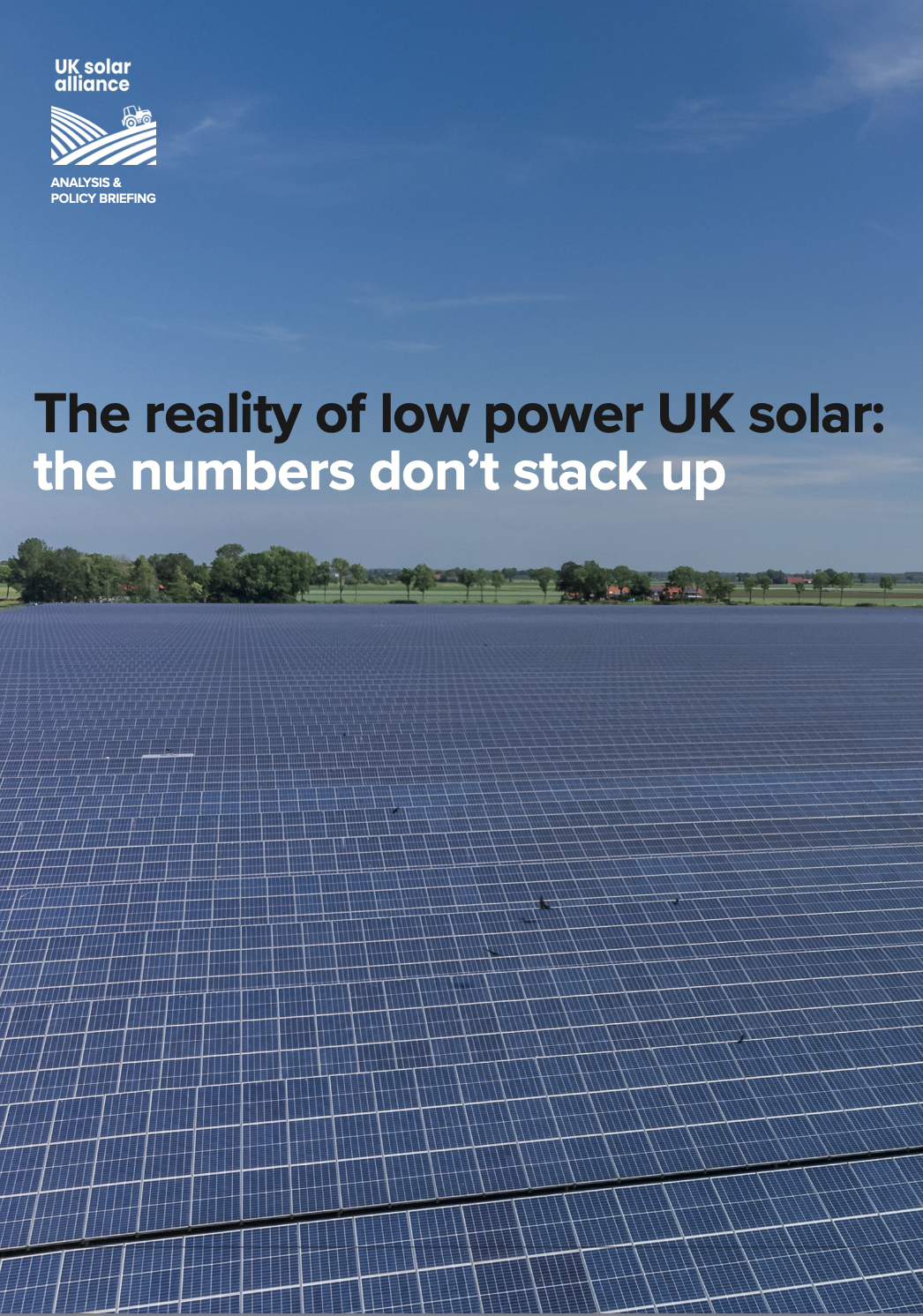
East Park has a fundamental flaw: the power it would produce is shockingly low. The facility would have a 400MW power capacity – but its actual average output, from 700,000 panels, could be as low as 39.6MW. Because of solar power’s inferior performance in the UK climate, solar panels should only go on brownfield land or built environment-based installations
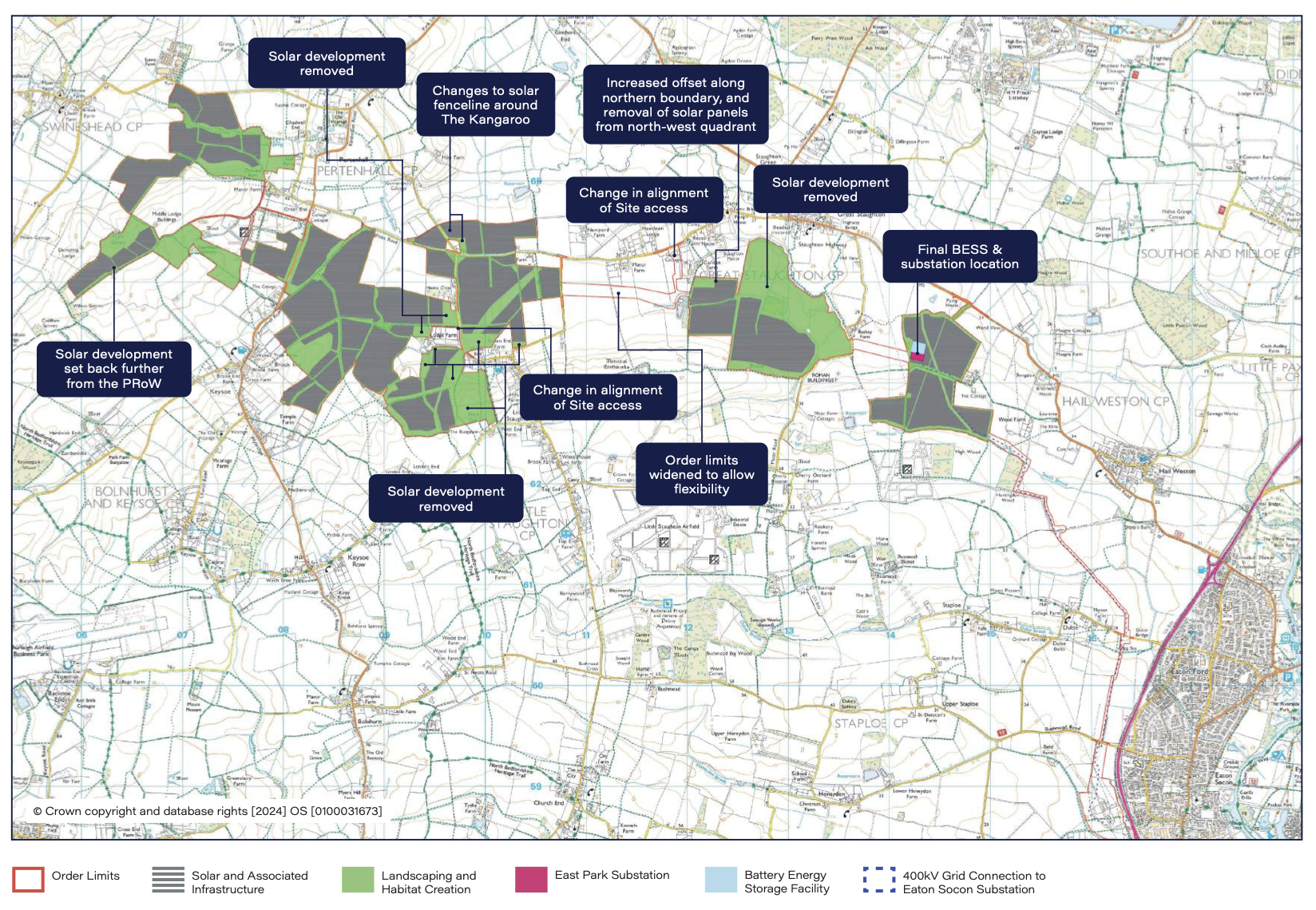
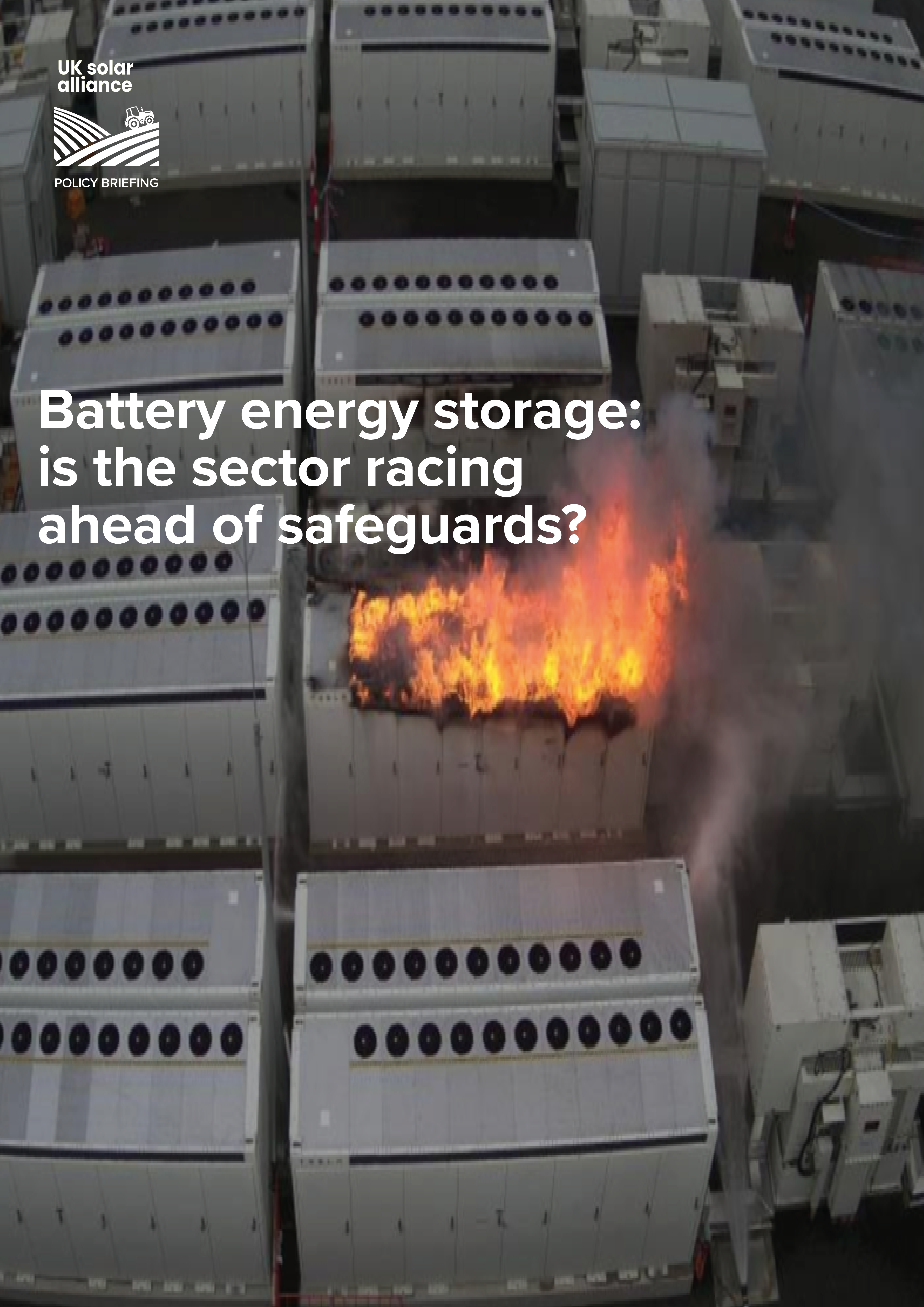
The East Park Energy proposal includes a 100MW lithium-ion battery energy storage system. This massive compound, consisting of 96 container-sized units packed with lithium-ion battery cells, would be sited between Hail Weston and Great Staughton. These industry-scale battery banks come with serious fire and explosion risks: experts say that a safety failure is a case of ‘when’ not ‘if’ for every system
“In pursuit of the good objective of decarbonising our energy production, the East Park Energy proposal for this massively scaled solar power facility across countryside in North Bedfordshire and into Cambridgeshire is a bad idea. The proposal is far too large. The proposal would have a lasting detrimental effect on the prime farmland targeted for development. The proposal seems more about financial speculation than anything else.”
Richard Fuller, MP for North East Bedfordshire
• Richard Fuller has published his response to the East Park consultation, saying that if the proposal is accepted, “it would make a mockery of government guidelines and unleash a ‘free for all’ grab for farmland across the country, endangering food security”
Solar has a role – but not at the expense of the environment
“CPRE Bedfordshire is pleased to support the Stop East Park Energy campaign. We believe solar energy has a role to play in our collective action against climate change, but not at the expense of the environment.”
Lois Wright, Director, Bedfordshire, CPRE, the countryside charity
Profit over progress: massive site threatens farmland
“This scheme would see vast swathes of our local countryside, good quality farmland, sacrificed for at least two generations. There are only negatives to this development. The aim of reducing carbon emissions is laudable, but the East Park Energy proposal across Huntingdon and into Bedfordshire is completely misguided. The scale is excessive, would cause long term damage to valuable Grade 2 and Grade 3a farmland, and the negatives for local residents far outweigh any potential positives. I oppose the scheme and urge Brockwell to reconsider its plans.”
Ben Obese-Jecty, MP for Huntingdon
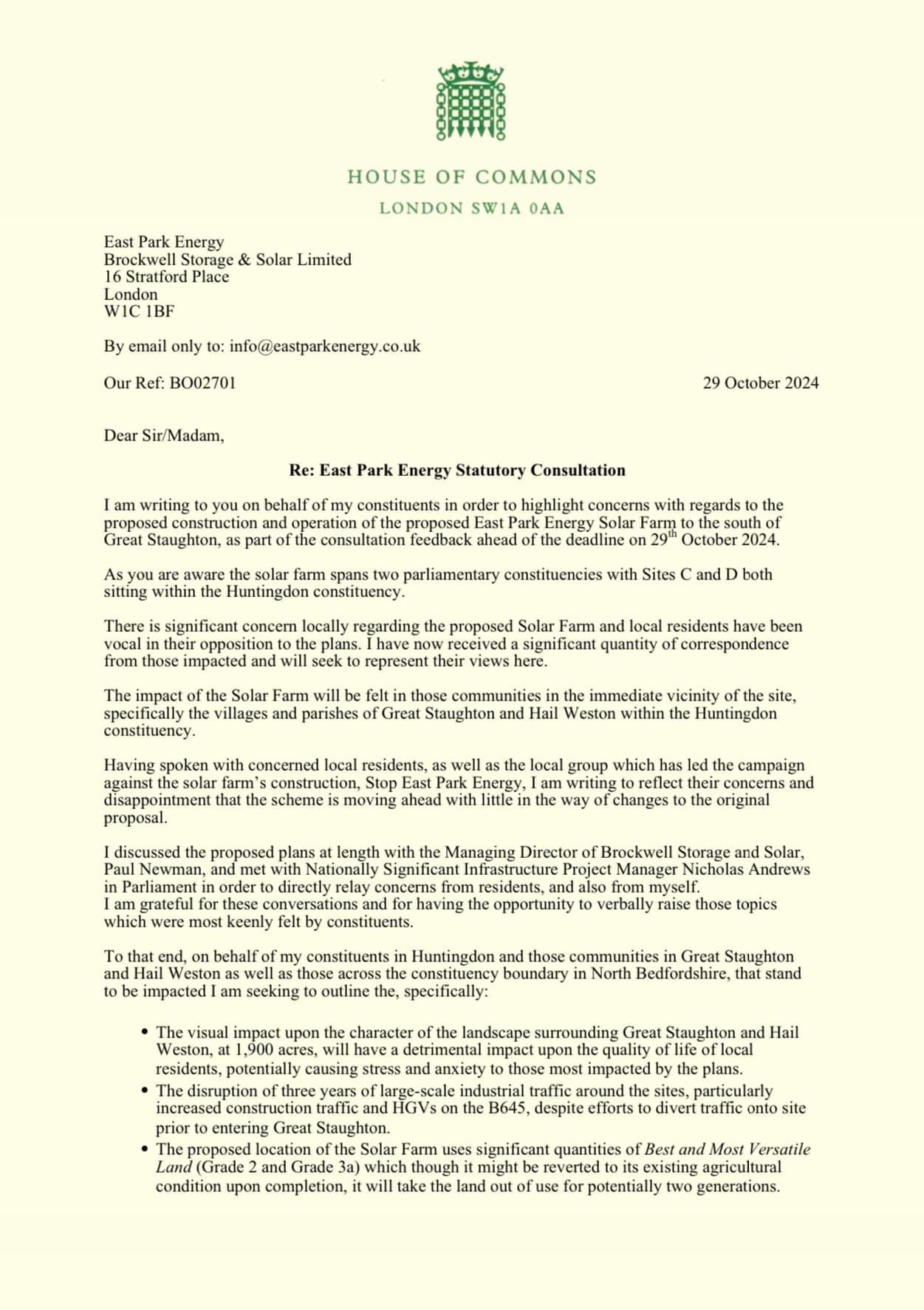
• Ben Obese-Jecty has responded to the consultation, raising concerns about the “visual impact upon the character of the landscape” and the fact that nearly 2,000 acres of farmland would be “out of use for potentially two generations”. Read his letter here – page 1 and page 2
A massive, inappropriate site with a negative impact on the landscape
“CPRE Cambridgeshire and Peterborough supports the Stop East Park Energy campaign. Many applications, particularly for massive solar sites like this one, are for inappropriate sites chosen for purely commercial reasons. As well as the impact on landscape quality, wildlife and biodiversity, we are concerned over the negative impact on our valuable agricultural land.”
Alan James, Chairman, Cambridgeshire and Peterborough, CPRE, the countryside charity
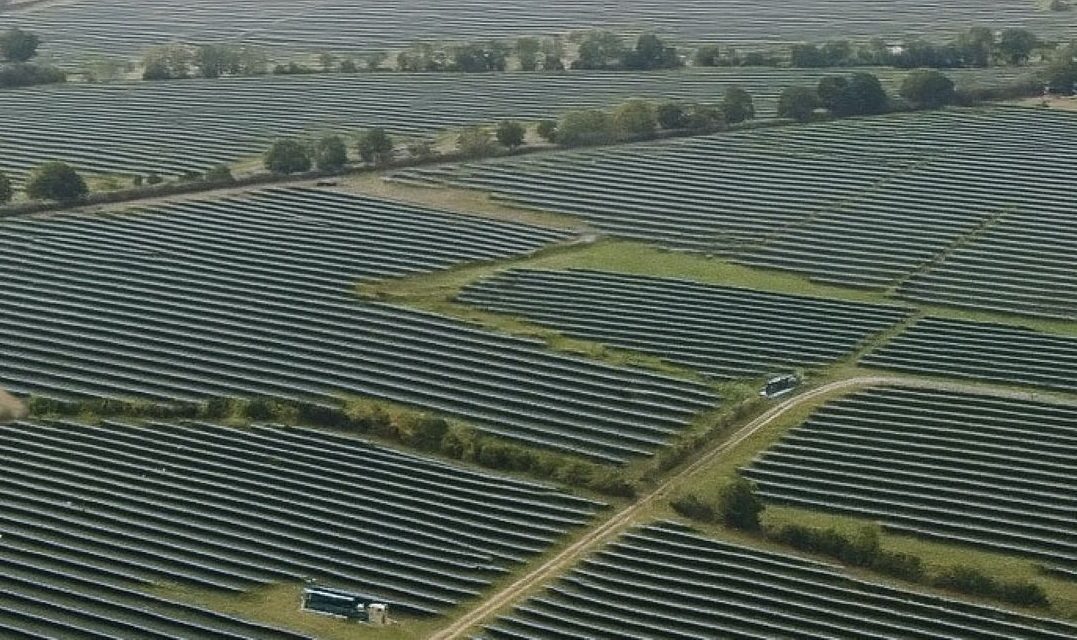
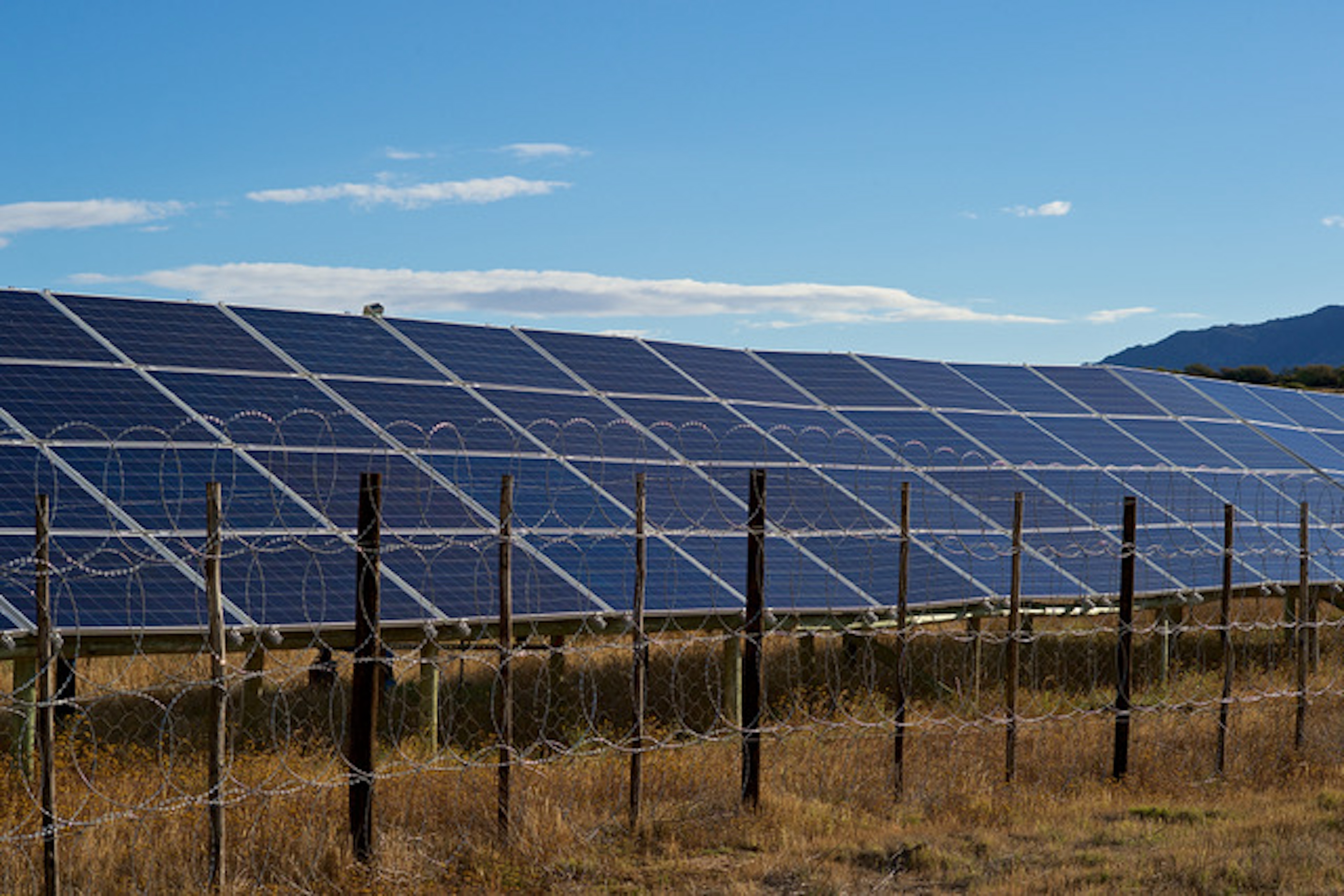
East Park Energy is 25 times bigger than the local Manor Farm solar site and 34 times the size of the Graham Water solar array. Covering 1,900 acres of countryside, and right up against or wrapping around several villages, the installation would be literally overwhelming
Loss of high quality farmland
The solar plant – producing shockingly low levels of power – would take hundreds of acres of good quality agricultural land out of use for years – or for good. Field after field, successfully farmed for generations, would be wiped out by an industrial corridor
Visual impact on landscapecharacter
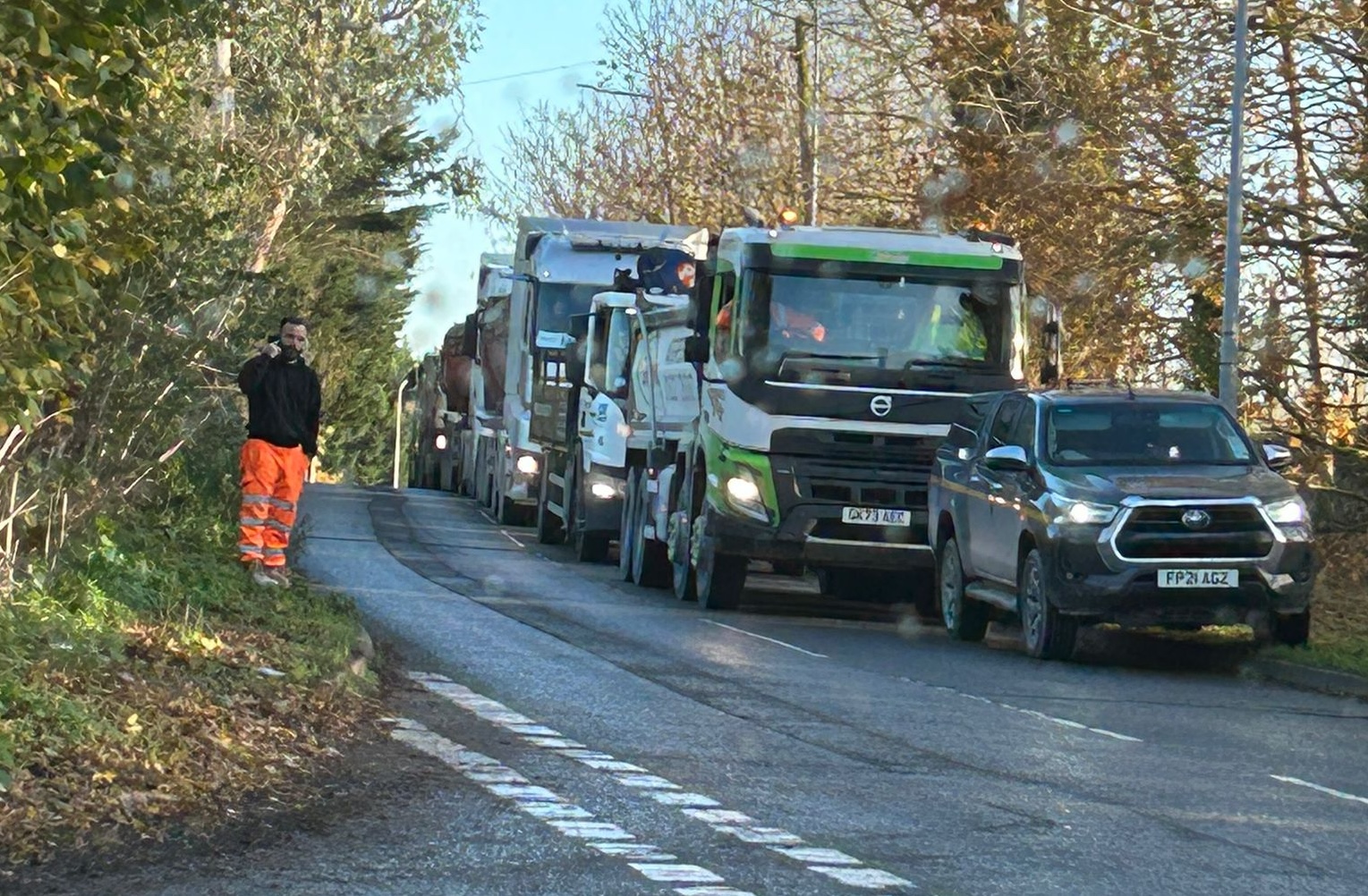
Beautiful rural landscapes spanning two counties would be scarred – not just during the chaos of a dusty, noisy and disruptive three-year construction programme, but in operation for decades after









 Stop East Park Energy